
Cast your vote here














5 QUESTIONS


Catharsis is a self published photobook by Linda Zhengova’. The books caught my eye during my daily search for new photobooks while scrolling social media.

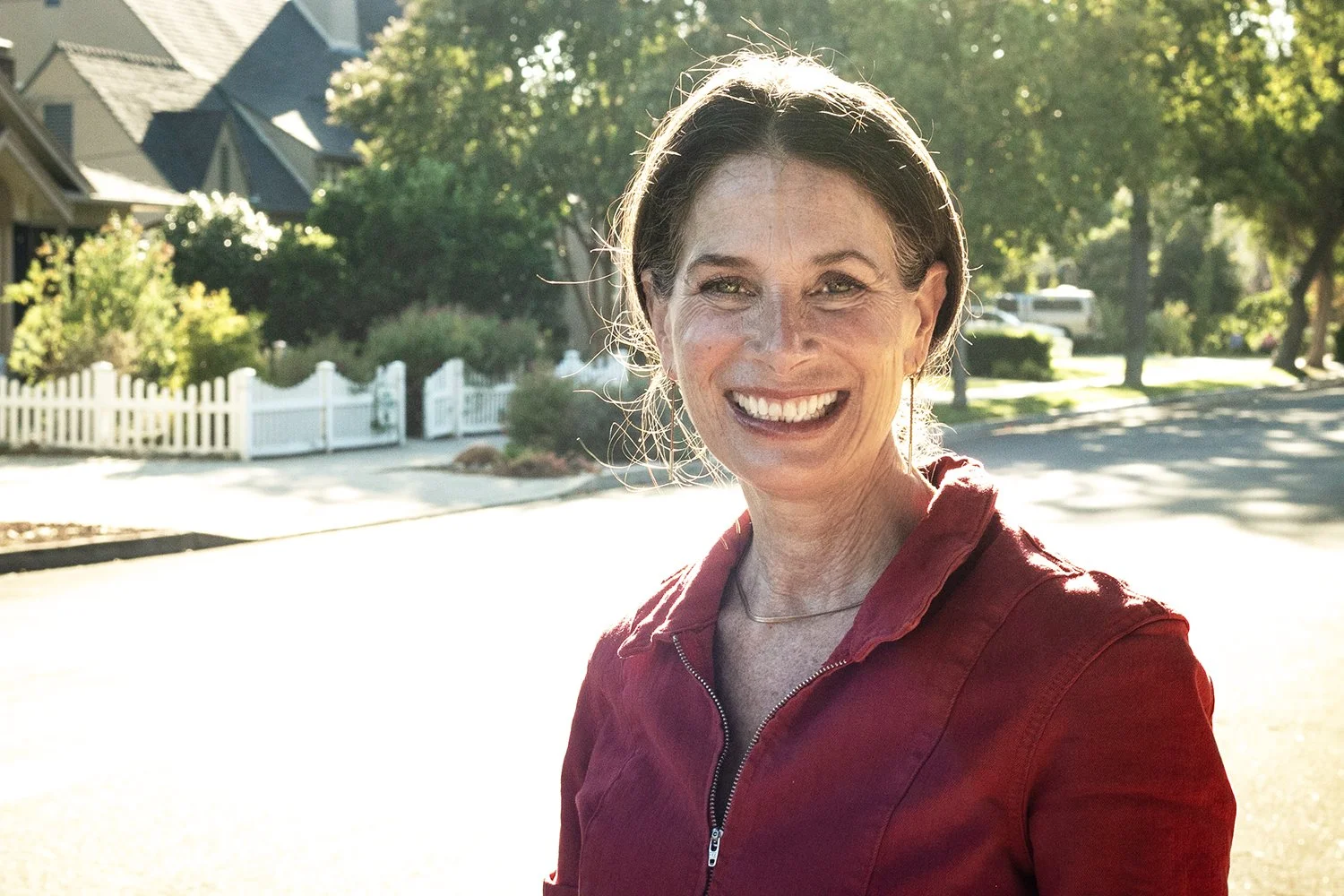
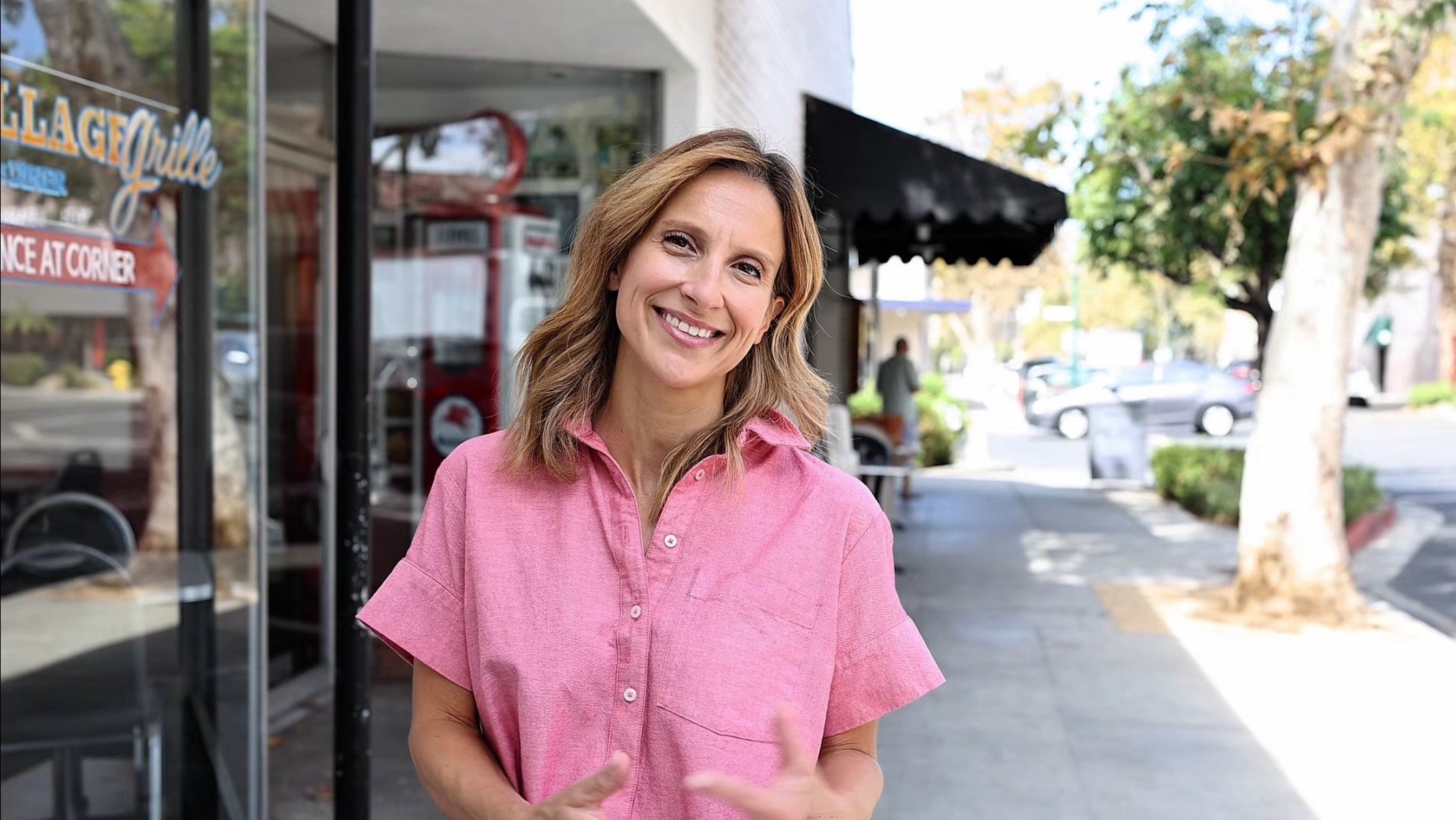
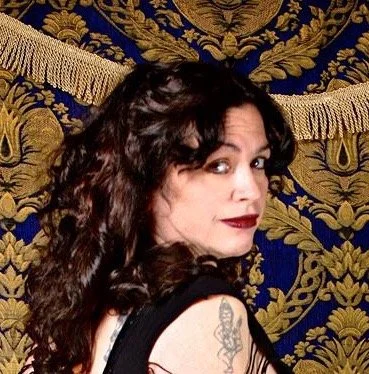
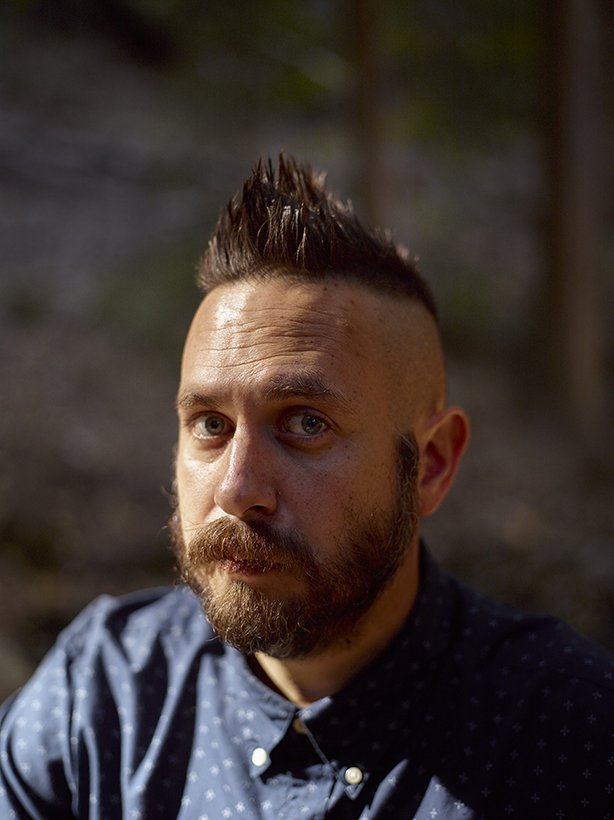
Janet Solval was born and raised in Los Angeles, CA up until this year she recently moved to Brooklyn, New York.


AUTHORS


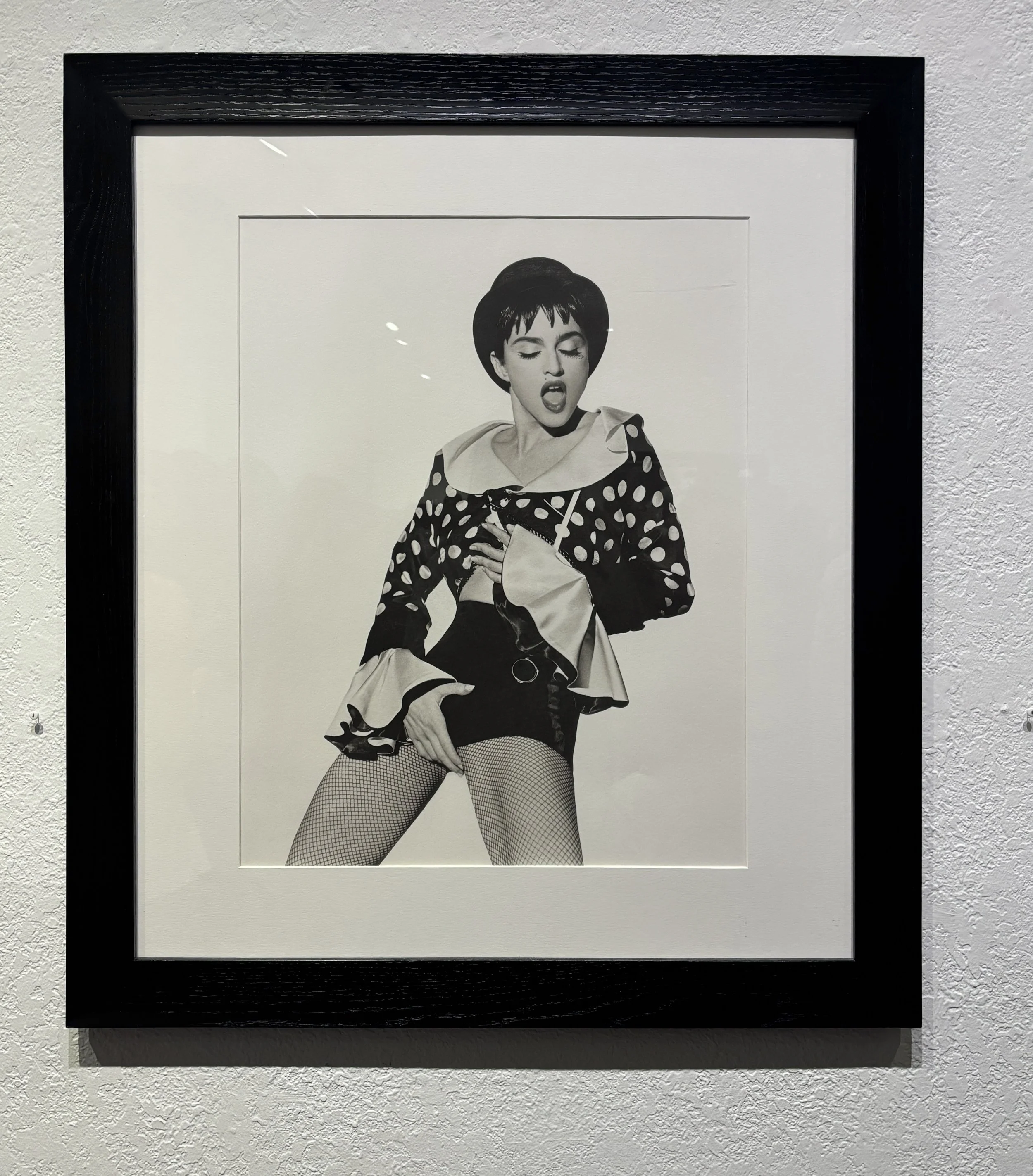
“I’ve been married three times and all three are atheist, democrats and feminist. I do consider myself a feminist but I’m aware that much of my work is exploitative.”

Sed purus sem, scelerisque ac rhoncus eget, porttitor nec odio. Lorem ipsum dolor sit amet.

Vivamus pellentesque vitae neque at vestibulum. Donec efficitur mollis dui vel pharetra.
Commodo cursus magna, vel scelerisque nisl consectetur et. Donec id elit non mi porta gravida at eget metus.

Donec id justo non metus auctor commodo ut quis enim. Mauris fringilla dolor vel condimentum imperdiet.







SHOP BOOKS
DESCRIPTION
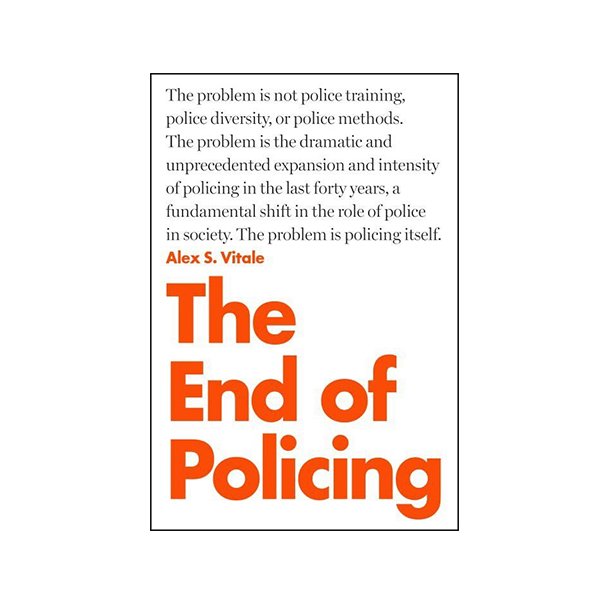
The best-selling bible of the movement to defund the police in an updated edition.
The Book Ted Cruz doesn’t want you to read!
The massive uprising that followed the police killing of George Floyd in the summer of 2020— by some estimates the largest protests in US history—thrust the argument to defund the police to the forefront of international politics. That case had been put persuasively a few years earlier in The End of Policing by Alex Vitale, now a leading figure in the urgent public discussion over policing and racial justice.
The central problem, Vitale demonstrates, is the dramatic expansion of the police role over the last forty years. Drawing on firsthand research from across the globe, he shows how the implementation of alternatives to policing—such as drug legalization, regulation, and harm reduction instead of the policing of drugs—has led to reductions in crime, spending, and injustice.
This updated edition includes a new introduction that takes stock of the renewed movement to challenge police impunity and shows how we move forward, evaluating protest, policy, and the political situation.
AUTHOR
Alex S. Vitale is Professor of Sociology and Coordinator of the Policing and Social Justice Project at Brooklyn College and a Visiting Professor at London Southbank University. He has spent the last thirty years writing about policing and consults both police departments and human rights organizations internationally. His essays have appeared in the New York Times, Washington Post, Guardian, Nation, Jacobin, Fortune, and USA Today. He has also appeared on CNN, MSNBC, CNBC, NPR, PBS, Democracy Now!, Vice News, and the Daily Show with Trevor Noah.
DETAILS
Paperback - 320 pages
Publisher - Verso Books
Published - December 7, 2021
Subject - Political Science; Law Enforcement
Public Policy - Social Policy
Social Science - Discrimination
EAN - 9781784782894
Physical Dimensions - 5.05" x 7.77"
Shipping Weight - 0.6 lbs.
REVIEWS
“The End of Policing combines the best in academic research with rhetorical urgency to explain why the ordinary array of police reforms will be ineffective in reducing abusive policing. Alex Vitale shows that we must move beyond conceptualizing public safety as interdiction, exclusion, and arrest if we hope to achieve racial and economic justice.”
—Ruth Wilson Gilmore, Professor, CUNY Graduate Center, Co-Founder of Critical Resistance, author of Golden Gulag
“Deeply researched, but also vibrantly and accessibly written, The End of Policing is essential reading for anyone wishing to understand the dire state of policing today. Alex Vitale shows compellingly that as long as we ask the police to shore up a fundamentally unequal and dysfunctional social order, superficial ‘reforms’ won’t do much to help. And he offers concrete alternatives aimed at restoring communities and getting police out of the business of trying to contain social problems that they cannot—and should not—control.”
—Elliott Currie, Professor, University of California, Irvine, author of Crime and Punishment in America
“An extremely vital book on policing. Should be assigned at all police academies. If only the Philando Castile jurors had read this.”
—Jeffrey Fagan, Director of Columbia Law School's Center for Crime, Community, and Law
“Challenging standard accounts of how to reform policing, Alex Vitale argues that true safety demands directing resources away from police and prisons and towards economic development, education, and drug treatment. Urgent, provocative, and timely, The End of Policing will make you question most of what you have been taught to believe about crime and how to solve it.”
—James Forman Jr., Professor, Yale Law School and author of Locking Up Our Own: Crime and Punishment in Black America

Description
“Beryl Satter's Family Properties is really an incredible book. It is, by far, the best book I've ever read on the relationship between blacks and Jews. That's because it hones in on the relationship between one specific black community and one specific Jewish community and thus revels in the particular humanity of all its actors.” —Ta-Nehisi Coates, The Atlantic
Part family story and part urban history, a landmark investigation of segregation and urban decay in Chicago -- and cities across the nation
The "promised land" for thousands of Southern blacks, postwar Chicago quickly became the most segregated city in the North, the site of the nation's worst ghettos and the target of Martin Luther King Jr.'s first campaign beyond the South. In this powerful book, Beryl Satter identifies the true causes of the city's black slums and the ruin of urban neighborhoods throughout the country: not, as some have argued, black pathology, the culture of poverty, or white flight, but a widespread and institutionalized system of legal and financial exploitation.
In Satter's riveting account of a city in crisis, unscrupulous lawyers, slumlords, and speculators are pitched against religious reformers, community organizers, and an impassioned attorney who launched a crusade against the profiteers—the author's father, Mark J. Satter. At the heart of the struggle stand the black migrants who, having left the South with its legacy of sharecropping, suddenly find themselves caught in a new kind of debt peonage. Satter shows the interlocking forces at work in their oppression: the discriminatory practices of the banking industry; the federal policies that created the country's shameful "dual housing market"; the economic anxieties that fueled white violence; and the tempting profits to be made by preying on the city's most vulnerable population.
Family Properties: Race, Real Estate, and the Exploitation of Black Urban America is a monumental work of history, this tale of racism and real estate, politics and finance, will forever change our understanding of the forces that transformed urban America.
"Gripping . . . This painstaking portrayal of the human costs of financial racism is the most important book yet written on the black freedom struggle in the urban North."—David Garrow, The Washington Post
Author
Beryl Satter is the author of Each Mind a Kingdom and the chair of the Department of History at Rutgers University in Newark. She was raised in Chicago, Skokie, and Evanston, Illinois, and is a graduate of the Harvard Divinity School and the Yale American Studies program. For her work in progress on Family Properties, Satter received a J. Anthony Lukas citation. She lives in New York City.
Published
April 27, 2021
Reviews
“Beryl Satter's Family Properties is really an incredible book. It is, by far, the best book I've ever read on the relationship between blacks and Jews. That's because it hones in on the relationship between one specific black community and one specific Jewish community and thus revels in the particular humanity of all its actors.” —Ta-Nehisi Coates, The Atlantic
“This is rich material... Satter balances personal stories, including moments of great bravery, with painstaking legal and historical research. Family Properties is transfixing from the first sentence. The pleasures here are deep and resonate ones... an instant classic.” —Dwight Garner, The New York Times
“Satter's painstaking thorough portrayal of the human costs of financial racism is the most important book yet written on the black freedom struggle in the urban North. Family Properties is a superbly revealing and often gripping book.” —David Garrow, The Washington Post
“Beryl Satter has taken the hard road to glory in her study of race and housing discrimination in Chicago during the 1950s and '60s. Yet somehow she has managed to stay on course, using her considerable investigative skills and unwavering sense of fairness to write a revealing and instructive book... A cautionary tale of government complicity, Family Properties follows the social historian's dictum of 'asking big questions in small places.'” —The New York Times Book Review
“This sweeping chronicle of greed and racism combines a noble and tragic family history with a painful account of big city segregation and courageous acts of community resistance. In riveting stories and thoughtful analysis, Satter powerfully discloses how manipulation and abuse shattered lives and deepened urban inequality.” —Ira Katznelson, author of When Affirmative Action Was White: An Untold Story of Racial Inequality in Twentieth-Century America
“Beryl Satter brings Chicago's West Side to life in this vivid history of a neighborhood fighting for survival. She gives the urban crisis a human face in unforgettable portraits of the slumlords and the activists and lawyers (including her father) who battled valiantly against them.” —Thomas J. Sugrue, author of Sweet Land of Liberty: The Forgotten Struggle for Civil Rights in the North
“This history of a place called Lawndale, on the west side of Chicago, is an archetypal American story of struggle and rise, race and divisiveness, justice denied and then justice achieved. Clyde Ross, Ruth Wells, Mark J. Satter, Monsignor Egan, Jack Macnamara, and the others--these are American heroes. I was privileged to be briefly involved, and I'm so glad to see Family Properties, after all these years, that I could hoot with joy, and then weep.” —David Quammen, author of Song of the Dodo: Island Biogeography in an Age of Extinction
“This is how the story of urban America after the Second World War ought to be written, with gritty realism and no illusions. Here is urban history as a drama of moral conflict and religious passion. Family Properties is a searing and deeply moving work, by a loving daughter and a great historian.” —Robert Orsi, Professor of Religion and History, Northwestern University
“One of the most contentious issues of twentieth century America was the transformation of middle-class white neighborhoods into African-American slums. The cast of characters is familiar--unscrupulous realtors, heartless slumlords, promiscuous welfare mothers, rapacious drug dealers, corrupt politicians, discriminatory savings and loan associations, and a racist government. But Beryl Satter tells a different story, a nuanced story, and a personal story in this compelling re-examination of a phenomenon everyone knows about and no one understands. Family Properties will change the way you think about history and about causation.” —Kenneth T. Jackson, Barzun Professor of History, Columbia University
DESCRIPTION
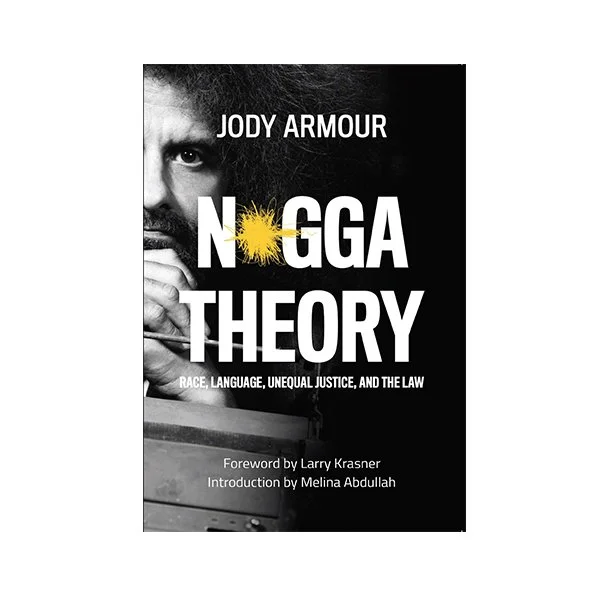
A MUST-READ FOR ANYONE INTERESTED IN UNDERSTANDING AND DISMANTLING MASS INCARCERATION. --Chesa Boudin, District Attorney of San Francisco America's criminal justice system is among the deadliest and most racist in the world and it disproportionately targets Black Americans, who are also disproportionately poor, hungry, houseless, jobless, sick, and poorly educated. By every metric of misery, this nation does not act like Black Lives Matter. In order to break out of the trap of racialized mass incarceration and relentless racial oppression, we, as a society, need to rethink our basic assumptions about blame and punishment, words and symbols, social perceptions and judgments, morality, politics, and the power of the performing arts. N*gga Theory interrogates conventional assumptions and frames a transformational new way of thinking about law, language, moral judgments, politics, and transgressive art--especially profane genres like gangsta rap--and exposes where racial bias lives in the administration of justice and everyday life. Professor Jody Armour (Negrophobia and Reasonable Racism) calls for bold action: electing progressive prosecutors, defunding or dismantling the police, abolition of the prison industrial complex. But only after eradicating the anti-black bias buried in the hearts and minds of millions of Americans and baked into our legal system will we be able to say that Black Lives Matter in America.
AUTHOR
Jody David Armour is the Roy P. Crocker Professor of Law at the University of Southern California. He has been a member of the faculty since 1995. Armour's expertise ranges from personal injury claims to claims about the relationship between racial justice, criminal justice, and the rule of law. Armour studies the intersection of race and legal decision making as well as torts and tort reform movements. A widely published scholar and popular lecturer, Armour is a Soros Justice SeniorFellow of The Open Society Institute's Center on Crime, Communities and Culture. Armour earned his AB degree in Sociology at Harvard University and his JD degree with honors from Boalt Hall Law School at UC Berkeley. Prior to joining USC, he was an associate at Morrison & Foerster, Kirkpatrick and Lockhart and taught at UC Berkeley's Boalt Hall, Indiana University and the University of Pittsburgh. Armour currently teaches students a diverse array of subjects, including Criminal Law, Torts, and Stereotypes and Prejudice: The Role of the Cognitive Unconscious in the Rule of Law. He is the author of Negrophobia and Reasonable Racism: The Hidden Costs of Being Black in America and N*gga Theory: Race, Language, Unequal Justice, and the Law. Melina Abdullah is Professor and former Chair of Pan-African Studies at California State University, Los Angeles. She earned her Ph.D. and M.A. from the University of Southern California in Political Science and her B.A. from Howard University in African American Studies. She was appointed to the Los Angeles County Human Relations Commission in 2014 and is a recognized expert on race, gender, class, and social movements. Abdullah is the author of numerous articles and book chapters, with subjects ranging from political coalition building to womanist mothering. One of the nation's leading progressive District Attorneys, Larry Krasner serves as DA for Philadelphia, having campaigned on the platform to radically reform elements of the criminal justice system to reduce racialized mass incarceration.
REVIEWS
“As a chief prosecutor, Jody pushes us to accept that the time has come to repair the broken criminal justice system and undo the harm caused to communities by ending the cycle of over-policing and over-incarceration that has destroyed communities. Prosecutors can be a force for good, for reform, for dismantling this system of racial injustice and mass incarceration. Justice is making sure that we treat people fairly within our criminal justice system, that we have one standard of justice regardless of creed or color or sexual orientation, that we recognize the flaws in our criminal justice system and try to correct them and, that we stay the course to right the wrongs of the past to create a justice system that we all believe in. Jody’s narrative shines a light on these issues and reminds us all that when we invest in people — as mothers, daughters, husbands, brothers, and fathers — we can help them thrive and create safer and healthier communities for everyone.”
—
"N*gga Theory demands moral consistency that has been lacking in popular and academic narratives of mass incarceration."
—
“Jody’s masterpiece should be a mandatory read for every police leader”
—
"This hopeful and aspirational book reminds us to see individuals and their lives, including the details, however unexpected. He lets us see how within his beloved black community the politics of division do sweeping harm that no amount of success can shake."
—
"This book is revolutionary."
—
“Real change like he calls for in N*gga Theory will happen only when we all get a lot more uncomfortable with the true state of our legal and carceral systems.”
—
"A powerful exploration of race, class, and justice, particularly criminal justice, in today's America."
—
"N*gga Theory explores and applies the transformative practice of radical empathy with the most demonized members of society to guide us out of the current morass of mass imprisonment and racial oppression, and forward into a more just society."
—
"A battle cry to unite African Americans divided by class"
—
"He's brilliant and a kindred spirit. Amazing."
—
"When Jody Armour invited me to write the foreword, his brilliance, commitment, and deep love for our people took precedent over my own discomfort with the N-word. His work has challenged me to be deeply introspective, to grapple with my identity, my beliefs, and my outward praxis. It has forced me to question and to grow. This volume is not about the word, but about the imposed dichotomy between 'black people' and 'n*****s.' It is about the strategic and ethical decision to align withn****s, especially when we have the option to be seen as 'good Negroes'.”
—
“This is not beach reading. After three decades of judging, I’m ready to go back to law school and take Professor Armour’s classes.”
—
“This critical and timely work, and the important personal and professional experience Professor Armour brings to it, is invaluable as we look to build a new paradigm that recognizes the humanity of every individual, regardless of wrongdoing. It is this starting point that will promote a truly just system that heals people and communities.”
—
“N*gga Theory is a provocation, a poem, a lyric urging racial solidarity with every body caged in the American penal state, even or especially those classified as ‘violent offenders.’ Through riveting personal narrative and rigorous interdisciplinary research, Jody Armour gives us the transgressive penal theory necessary in this racially troubled era.”
—
"N* Theory is movement, N* Theory is Jody, N* Theory is a Twitter handle, N* Theory is what Jody shares with us and lives and then, of course, it's the book. It's a spectacular exploration of concepts in both tort and criminal law mixed with reality."
Paperback: 288 pages
Publisher: Los Angeles Review of Books (LARB)
Date Published: August 18, 2020
Subjects: Law Criminal Courts Social Science Discrimination
EAN: 9781940660xxx
Physical Dimensions: 6.00" x 9.00"
Shipping Weight: 0.88 lbs.


Quisque iaculis facilisis lacinia. Mauris euismod pellentesque tellus sit amet mollis.